You might know a lot about testing on animals, in fact, testing on animals is legal in every country excluding the European Union, India, Israel, and Norway. You might not know that it is illegal to use animals for testing if there is another way, but, if new medicines are developed, they must be tested on animals before humans. In the US however, there is no nationwide ban on animal testing, but testing has its rules (Mostly developed by the AWA). Animals used in testing include, non-human primates (Monkeys, Apes, Lemurs, and others), Dogs, Cats, Rabbits, Mice, Rats, Guinea pigs, and Hamsters.
- Why is Animal Testing Legal? – The Tribe (holttribe.com)
- animal testing | Wex | US Law | LII / Legal Information Institute (cornell.edu)
- Using animals in experiments | The Humane Society of the United States
- About Animal Testing – Humane Society International (hsi.org)
- Animal testing: What is it and why are people talking about it? – BBC Newsround
- Explainer: What Is Animal Testing? (sentientmedia.org)
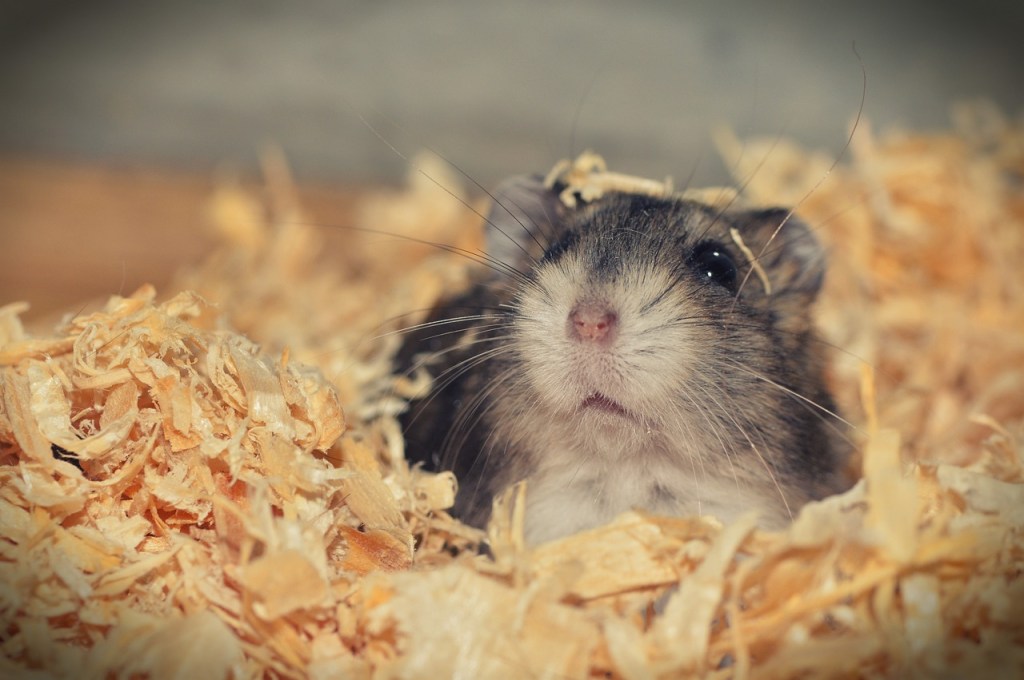
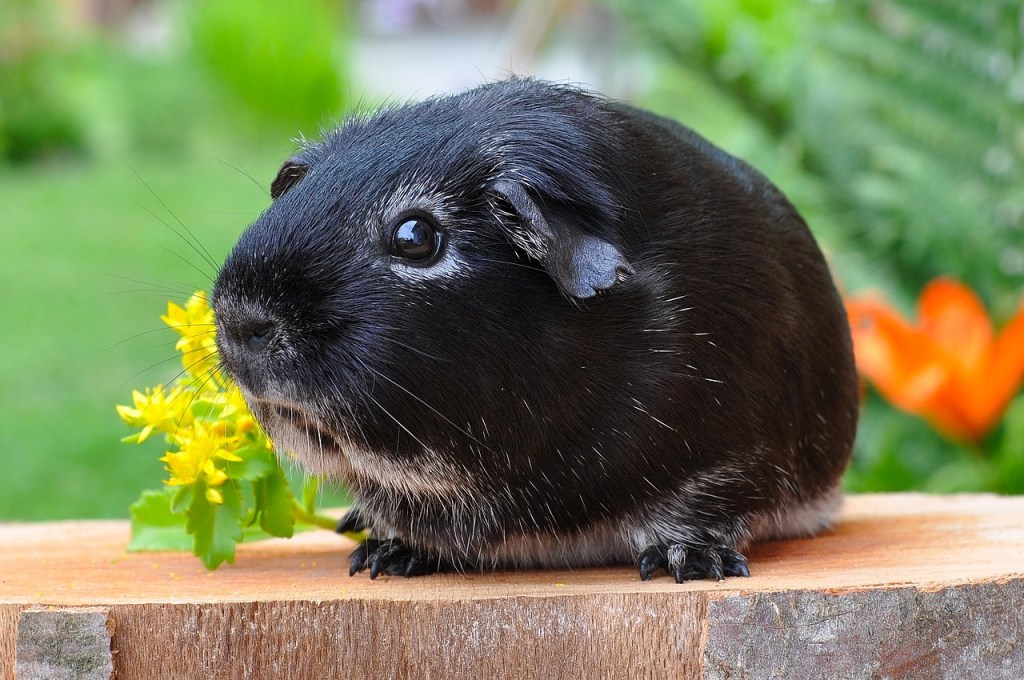
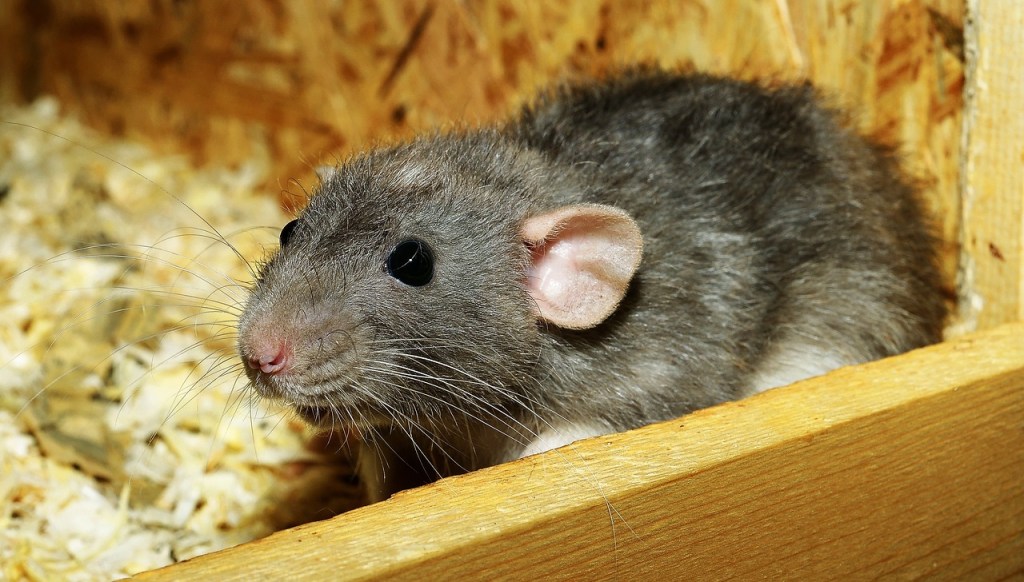
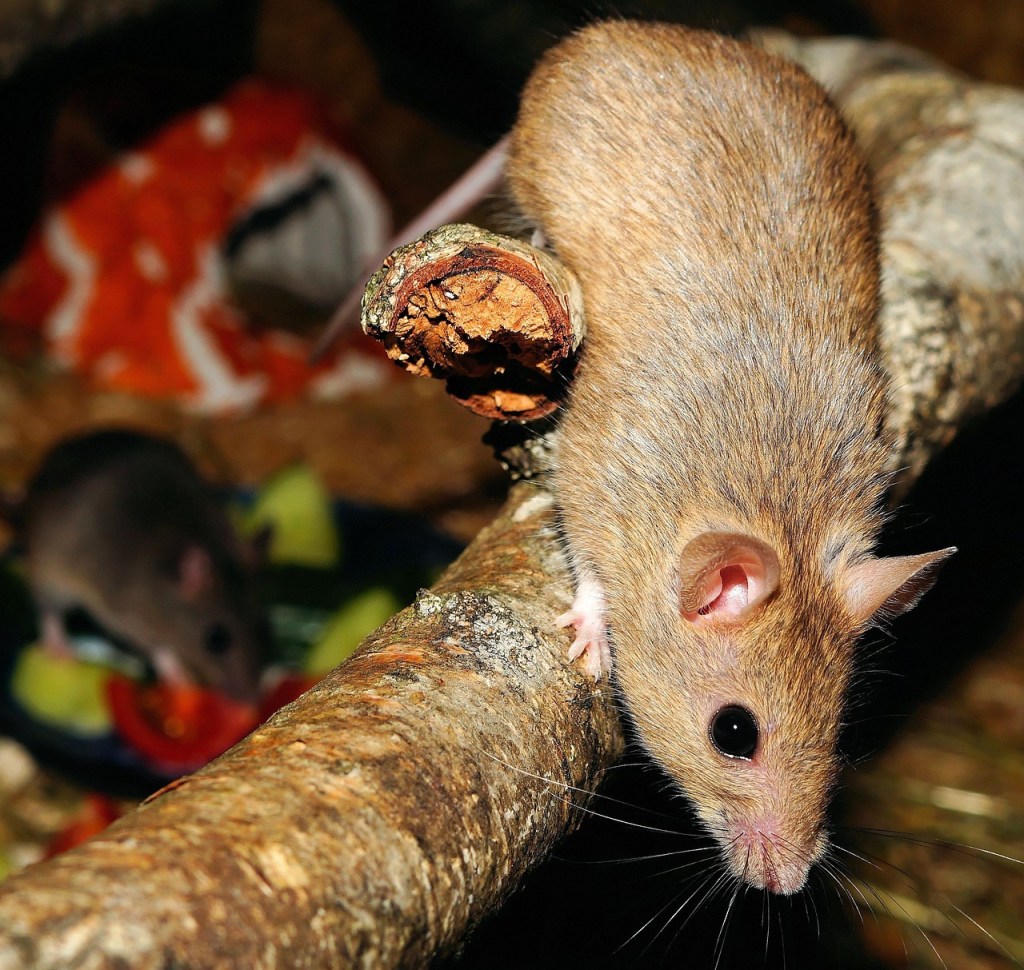

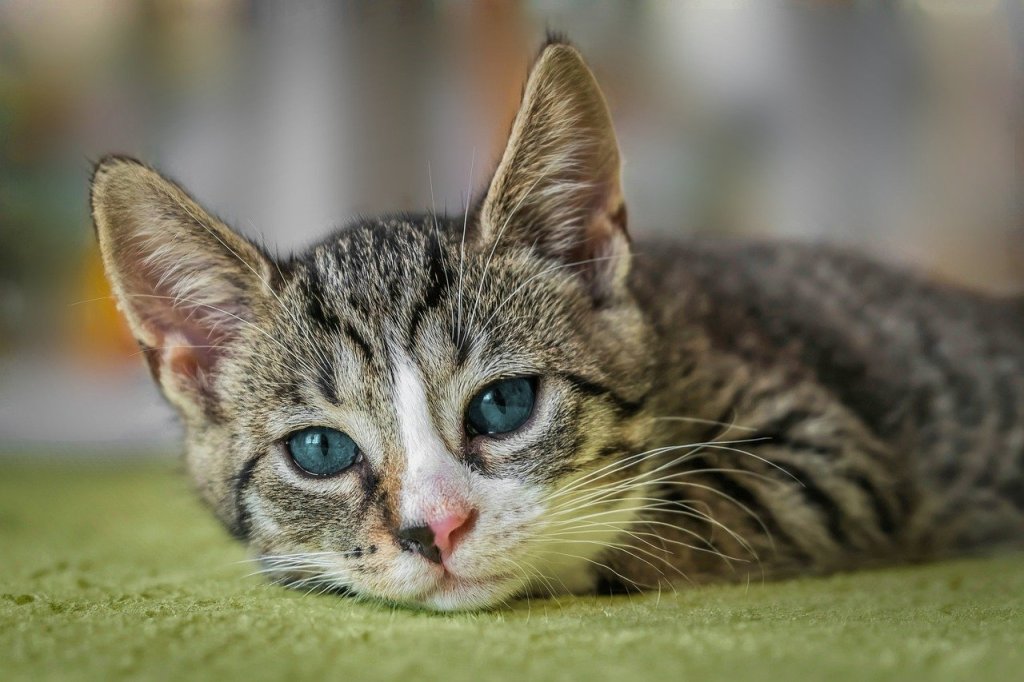

– Pictures by pixabay
What animals get tested on?
The animals that you see getting tested on, are animals that were specifically bred to be tested on. People will breed these animals and sell these animals for the purpose of testing on them (Class A dealers). There are even others who acquire them from shelters (Class B dealers) According to estimates, more than 100 million animals are used for testing every year. Many animal testings are not recorded, so it is assumed that there are probably more animals being tested on than 100 million. As well as, according to estimates, 115 million die due to testing.
- Animals in Laboratories – National Humane Education Society (nhes.org)
- Animals in science – RSPCA
- Animal testing statistics, facts & figures 2022/2023 – CareElite
- End harmful animal experiments | The Humane Society of the United States
Are there any alternatives?
In fact, there are. Here’s a list of possible alternatives.
- Use isolated cells and tissues.
- Use Computer modeling and mathematical predictions.
- Use safe experiments in human volunteers.
- Use simple organisms like bacteria (By studying basic biological processes).
- Using advanced technologies
- Animal Experiments | Humane Alternatives | RSPCA – RSPCA – rspca.org.uk
- Scientific Alternatives to Animal Testing | Saving Earth | Encyclopedia Britannica
- Alternatives to animal testing – Wikipedia
- National Institute of Environmental Health Sciences: Alternatives to Animal Testing (nih.gov)
How are animals in testing treated, and what are the effects?
Some of the treatment include:
- Forcing mice and rats to inhale toxic fumes.
- Chemicals being dripped into their eyes.
- Being injected.
- Chemicals forced down throats.
- Chemicals forced down nostrils.
- Forced to inhale or digest toxic substances.
- Stapled
For the effects, animals are deafened, blinded, burned, and infected with disease viruses. In fact, after all of this, inaccurate results 92% of drugs don’t make it past animal testing trials.
- The Cruelty of Lab Animal Testing | Down to Earth Organic and Natural
- Animal Testing Pros and Cons: Arguments For & Against It (ecofriendlyhabits.com)
This may be information you know, but take this altogether, and what does it tell you? You can help. Use this information to find products that don’t hurt the animals. And spread the word.

 S.A.R.
Leave a reply to nshapardanis Cancel reply